

Elevator Etiquette in Office Buildings
Elevators are one of the most overlooked shared spaces in professional life. They are small, quiet, and usually occupied for only a minute or two, yet they are powerful social environments. In office buildings, elevators bring together executives, interns, clients, visitors, and vendors often without warning. How people behave in these brief moments can quietly shape impressions, signal professionalism, and reflect workplace culture.
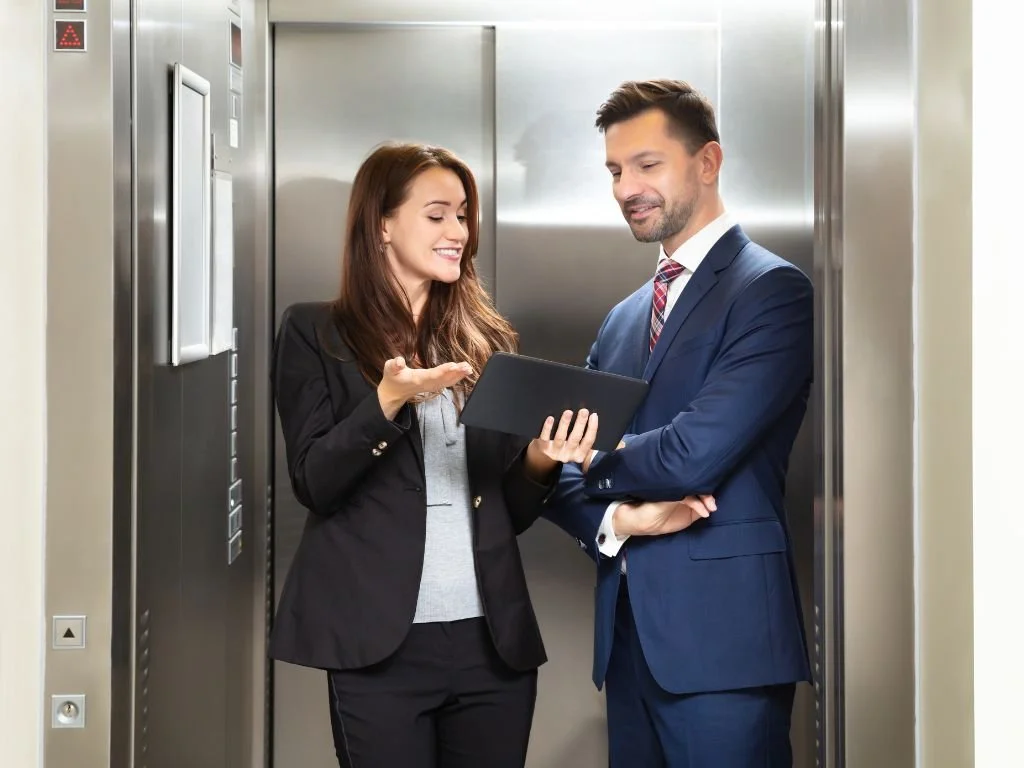
Understanding elevator etiquette in office buildings is not about memorizing rules. It is about awareness, respect, and the ability to navigate shared space with ease and consideration. When done well, elevator etiquette reduces tension, supports inclusivity, and reinforces a calm, professional atmosphere throughout the building.
Why Elevator Etiquette Matters in Professional Settings
Elevators compress social interaction into a confined space where personal boundaries are limited. Because of this, behavior becomes more noticeable. Small actions such as rushing in, speaking loudly, or ignoring others can feel amplified.
In professional environments, these moments matter. Colleagues may encounter leadership, clients may form impressions, and visitors may judge the organization’s culture based on how people behave in shared spaces. Elevator etiquette communicates emotional intelligence, self-control, and respect for others, all qualities closely associated with professionalism.
Elevators as Social Spaces, Not Silent Boxes
Many people treat elevators as awkward pauses in the day. This discomfort often leads to habits such as staring at phones, avoiding eye contact at all costs, or filling silence with unnecessary noise. In reality, elevators are social micro-environments governed by unspoken norms.
The goal is not forced conversation or complete withdrawal. The goal is neutral, calm presence. Awareness of others, minimal disruption, and courteous behavior allow everyone to feel comfortable without pressure.
Before You Enter the Elevator
Let Others Exit Fully First
One of the most fundamental aspects of elevator etiquette is allowing passengers to exit before entering. Stepping aside and giving space prevents collisions, reduces stress, and shows basic courtesy. Rushing forward as doors open creates unnecessary tension and can feel aggressive in a professional setting.
Stand to the Side, Not in Front of the Doors
Positioning matters. Standing directly in front of elevator doors blocks exiting passengers and forces awkward navigation. Standing slightly to the side communicates awareness and respect while keeping entry smooth.
Check Elevator Direction and Capacity
Entering an elevator going in the opposite direction wastes time and space, especially during busy hours. A brief glance at direction indicators and awareness of crowding helps maintain efficiency for everyone.
Entering the Elevator With Professional Awareness
Boarding Calmly and Purposefully
Once it is appropriate to enter, do so calmly. Avoid squeezing past others or forcing your way in. If the elevator is clearly full, waiting for the next one is often the most considerate option.
Button Etiquette
Elevator buttons are shared controls. If someone is already near the panel, asking politely for your floor is preferable to reaching across others. Pressing buttons that are already lit serves no purpose and can create irritation. Courtesy and patience go a long way in these small interactions.
Personal Space and Body Language Inside the Elevator
Where to Stand and How to Position Yourself
Whenever possible, face the doors and remain still. Shifting positions, pacing, or turning repeatedly can make others uncomfortable. In elevators with doors on multiple sides, follow the general orientation of the group.
Managing Eye Contact and Facial Expression
Neutral expressions and brief, polite acknowledgment are ideal. Prolonged staring can feel intrusive, while exaggerated avoidance can feel awkward. Calm presence communicates confidence without invading personal space.
Noise, Conversation, and Phone Use
Appropriate Conversation Levels
Elevators are not designed for sound control. Even quiet conversations can feel loud in confined spaces. When conversation occurs, keep voices low and neutral. Silence is often the most respectful choice, especially among strangers or mixed professional groups.
Mobile Phones in Elevators
Phone use should be discreet. Speakerphone calls, loud notifications, or animated conversations draw attention and disrupt the shared environment. When possible, wait until you exit the elevator to continue conversations.
Items, Bags, and Physical Awareness
Managing Backpacks, Bags, and Briefcases
Belongings take up space, often more than we realize. Keeping bags close to your body helps prevent accidental contact. Backpacks worn on the back can easily bump others in tight spaces, so holding them at your side or front is often more considerate.
Strollers, Carts, and Large Items
If you are carrying large items, consider waiting for a less crowded elevator. When inside, position items to minimize obstruction and remain attentive to others’ movement.
Professional Boundaries in Elevators
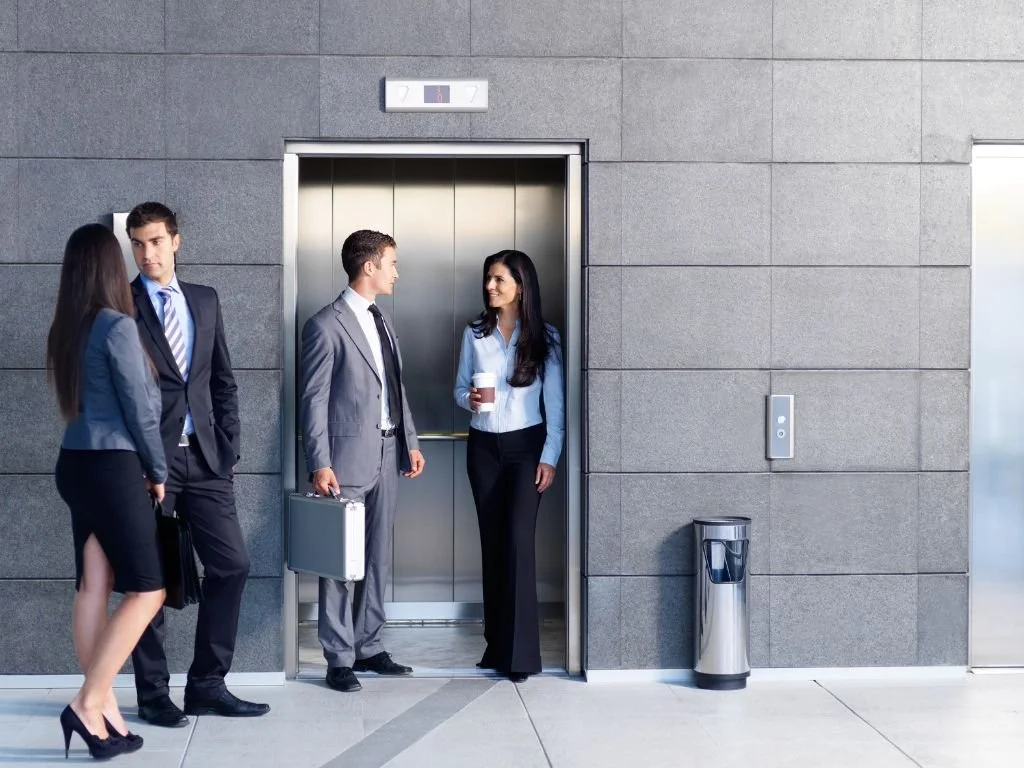
What Not to Do in an Elevator
Certain activities simply do not belong in elevators. Eating, drinking, grooming, or engaging in overly familiar behavior can make others uncomfortable. Elevators are shared professional spaces, even when the atmosphere is casual.
Scent Awareness
Perfume, cologne, and food aromas can become overwhelming in confined areas. Being mindful of scents is a subtle but important part of elevator etiquette, especially for individuals with sensitivities.
Elevator Etiquette During Busy Office Hours
Rush Hour Courtesy
During peak times, efficiency matters. Enter quickly but calmly, move as far in as possible, and avoid blocking doorways. Small adjustments help everyone reach their destination smoothly.
Exiting a Crowded Elevator Gracefully
If others are standing in front of you, a simple verbal cue such as “This is my floor” allows people to move aside. Shoving or silent pushing creates unnecessary tension. Courtesy keeps movement orderly.
Making Space for Accessibility and Mobility Needs
Wheelchairs, Walkers, and Mobility Devices
Elevator etiquette includes awareness of accessibility needs. Yielding space, stepping aside, or briefly exiting to allow someone room to maneuver reflects respect and inclusivity. These moments demonstrate professionalism in action.
Courtesy Toward Parents, Guests, and Visitors
Office elevators often carry visitors unfamiliar with the building. Offering space and patience helps represent the organization positively and creates a welcoming environment.
Emergency Buttons and Safety Protocols
When Emergency Features Should Be Used
Emergency buttons are for real emergencies only. Using them for convenience or curiosity disrupts building operations and can create unnecessary alarm. Professional conduct includes respecting safety systems.
Reporting Issues the Right Way
If an elevator appears to malfunction or requires cleaning, report it to building management rather than using emergency features. Knowing the difference shows maturity and awareness.
Cultural Sensitivity and Professional Awareness
People from different backgrounds may have varying comfort levels with silence, proximity, or eye contact. Elevator etiquette benefits from cultural awareness and flexibility. Avoid assumptions and allow others space to engage or disengage as they prefer.
Etiquette is not about rigid behavior. It is about reading context and responding with consideration.
How Elevator Behavior Reflects Workplace Culture
Small spaces often reveal big habits. How employees behave in elevators often mirrors how they treat shared resources, colleagues, and clients. Leaders who model calm, respectful elevator behavior reinforce organizational values without saying a word.
Consistency between stated values and everyday conduct builds trust and credibility within teams.
Expert Insight From LLUXXALL School of Etiquette and Manners
At LLUXXALL, elevator etiquette is taught not as a checklist, but as an extension of behavioral awareness. Etiquette lives in the details of everyday interactions, especially those that feel routine or unnoticed.
Founded by Alla Kesser Gross, the school emphasizes that professional presence is shaped through observation, intention, and practice. When individuals understand how their behavior affects others, courtesy becomes natural rather than forced.
This approach helps professionals internalize etiquette so it supports confidence, clarity, and authenticity in all environments, including shared spaces like elevators.
Why Etiquette Training Goes Beyond Rules
Rules alone do not change behavior. True etiquette education focuses on awareness, empathy, and adaptability. By learning how to observe surroundings and adjust behavior accordingly, individuals develop skills that extend far beyond a single scenario.
Elevator etiquette becomes one example of a broader professional mindset, one that values respect, composure, and thoughtful interaction.
Small Spaces Reveal Big Character
Elevators may be small, but they offer daily opportunities to practice professionalism. In these brief moments, awareness matters more than words. By moving calmly, respecting space, and considering others, professionals contribute to a workplace culture defined by courtesy and confidence.
Elevator etiquette in office buildings is not about perfection. It is about intention. When people bring mindfulness into even the smallest shared spaces, the impact reaches far beyond the ride itself.